

My family and I are blessed to live fairly close to the Memphis Zoo, which was ranked the #2 zoo in the country in 2024. Thanks to the generosity of my in-laws, we’ve enjoyed using our zoo membership regularly over the past several years. On one of our recent trips to the zoo, I noticed a number of new mold-a-rama vending machines scattered throughout the zoo that allowed you to create a plastic, injection-molded animal as a souvenir. These machines were invented in the 1950s and are still popular at many zoos, theme parks, and fairs. It reminded me of the pressed penny machines that let you choose a design, then turn the crank to actually “make” the pressed penny.
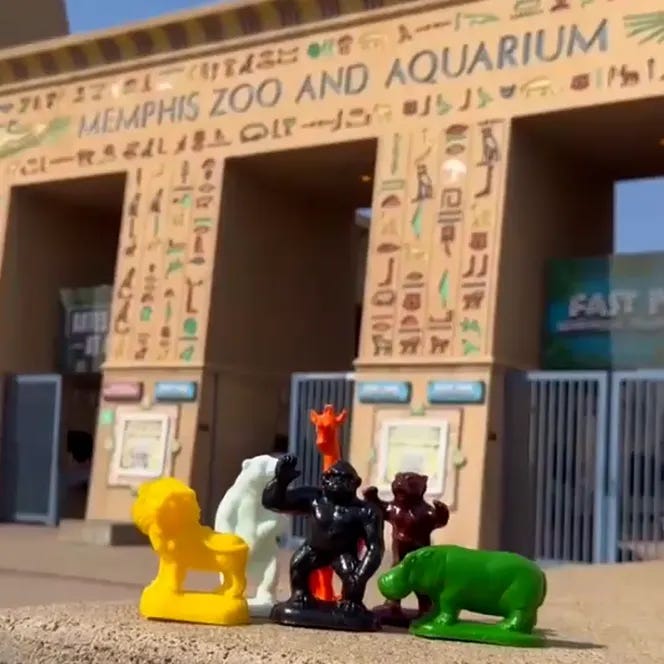
Looking at the example plastic animal inside the machine, it looked extremely basic and rather uninteresting. It wasn’t lifelike, wasn’t very big, and the color was just a single dull color. Yet I observed people passing by, eagerly shelling out $5 for the opportunity to push the buttons that created this very basic toy.
It got me thinking. This toy probably costs less than 25 cents in materials to make, and I doubt anyone would pay more than a dollar for the same toy if they passed by it in a store; yet here they were, happily paying $5 for the opportunity to create their very own mold-a-rama zoo animal toy.
So why would someone put such a value on such an insignificant toy? It’s because it’s more than just a toy; it’s their creation. It’s a physical item they can touch and hold in their hands that didn’t exist 60 seconds earlier. But because they not only paid the money but also pushed the buttons necessary to create the toy, it was far more valuable to them than just a random toy on a store shelf.
The IKEA Effect
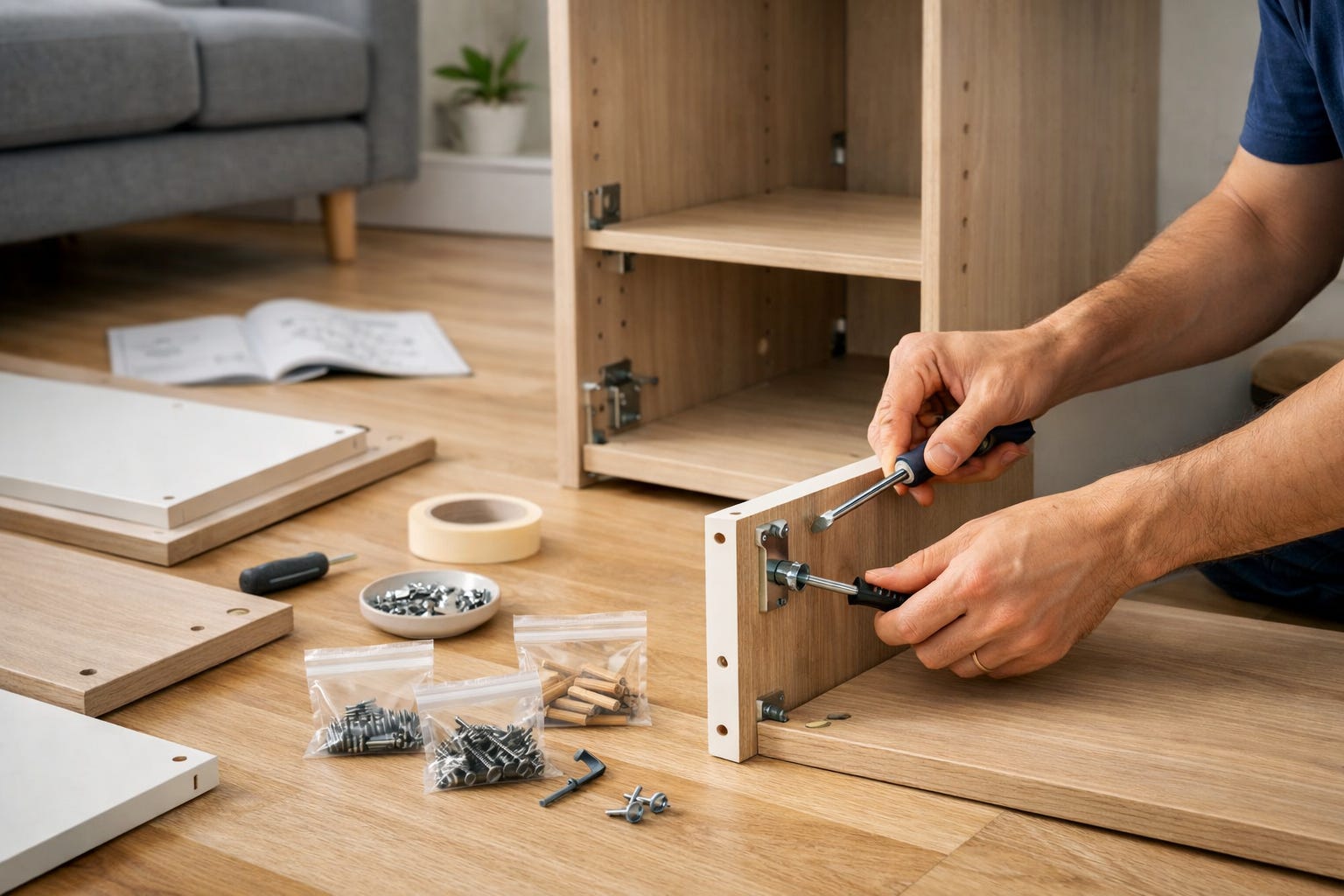
This concept (as I discovered while writing this) is called the IKEA Effect. Simply put, the IKEA effect is a cognitive bias in which consumers place a disproportionately high value on products they partially created. The name, as you might guess, refers to the popular Swedish manufacturer and furniture retailer IKEA, which sells many items of furniture that require assembly. This cognitive bias helps explain what drove people at the zoo to gladly pay more for their simple plastic toy than it would generally be worth in a store.
In my years of growing up in church and then serving in the ministry for the past decade, I’ve found that the people who tend to value their church the most are the very ones who are most involved in it. They are the ones who get their hands dirty, who actually “push the buttons” to make things happen within the church. They’re the ones who come early and stay late. They’re the ones who take ownership of their church because it’s, well, their church! They’re the ones who invest their own time, money, and talents into whatever area they have the opportunity to serve in. They are the Sunday School teachers and helpers, the ushers, the Nursery workers, the bus workers, the children’s church workers, the security team, the secretaries and those who help with administrative tasks, the sound booth volunteers, the choir members, the janitors and custodians, the groundskeepers who help keep the lawn looking its best, the handymen who help fix what gets broken, and the senior saints who show up for moral support even though their days of active labor are behind them.
In contrast, there are churches all across our country that are filled with people who approach their church with the mentality of “What can the church offer my family and me?” These are those who are content to enjoy the premade “products” that they happily pluck off the shelf of their church. They enjoy the benefits of a loving church, a well-maintained church property, children’s ministries, revivals, VBSs, church potlucks, teen trips, teen activities, a comfortable and attractive building, a safe nursery, and so much more, all without being involved and giving of themselves. In doing so, they cannot appreciate or understand the value of what they’re enjoying.
This mentality is why, for many such people, the moment they get offended, the novelty wears off, or life gets in the way, they toss it all aside. They have approached church with such a consumerist mindset that they cannot see that their purpose in the church is to serve rather than to be served.
Invest, and Your Heart Will Follow
As part of His Sermon on the Mount, Jesus preached in Matthew 6:19-24 about the importance of laying up treasures in Heaven rather than being consumed with acquiring temporary wealth on earth. Although the context of this passage is related to our handling of finances, the principle certainly extends to the broader truth that our heart is tied to that which we treasure.
“For where your treasure is, there will your heart be also.” Matthew 6:21
If your heart has grown cold towards your church and its work, perhaps it’s not just that you don’t appreciate your church enough. Perhaps it’s that you simply haven’t invested enough in it to appreciate it.
Do you want to love your church more? Then invest your time in serving. Do you want to better appreciate your church? Then tithe faithfully and be financially involved in the work of your church. Do you want to put down roots and establish you and your family in your church? Then be involved and get plugged into the work of the ministry of your church.
If you will give of yourself and invest that which is dear to you, you may find that the church you once viewed as something you just attended has become something you deeply treasure.
“And he that sat upon the throne said, Behold, I make all things new. And he said unto me, Write: for these words are true and faithful.” Revelation 21:5
True and Faithful is a periodic blog by Andrew Beadles. Subscribe to receive new posts.